
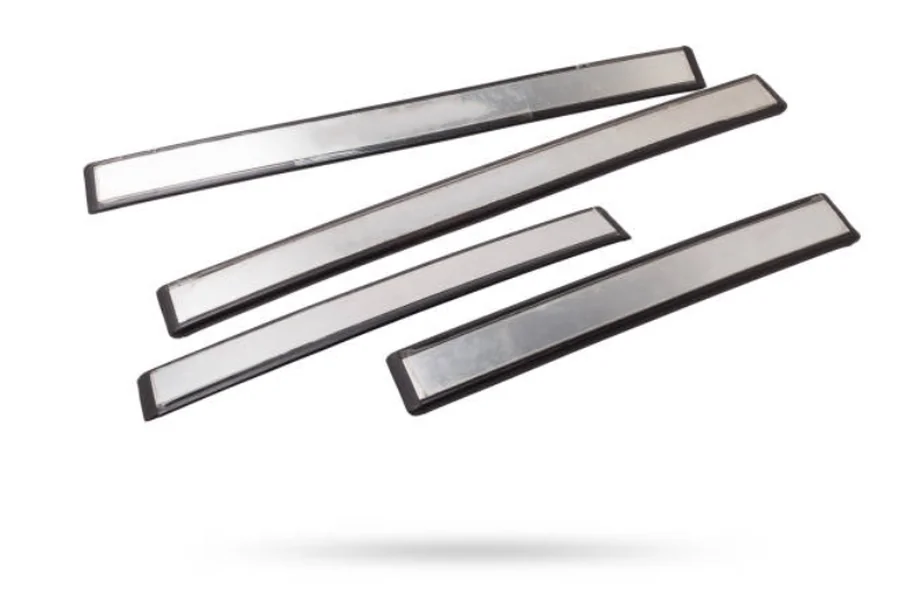
Retail shelves rely on clear price communication and clean visual layout. A PVC data strip in India helps brands, supermarkets, and display system manufacturers organise product labels while following commercial safety rules. These strips hold printed tickets in place, protect paper edges from dust, and avoid sharp corners on the front of the shelf. Their use keeps information accurate without blocking the view of the product.
Businesses choose PVC because the shape is stable, the slot holds paper firmly, and the strip can be installed quickly across many shelf types. In large retail rollouts, a single strip design may support thousands of shelves, which reduces complexity for maintenance teams. For commercial use, the right strip design must meet size, clarity, and fire safety needs.
Why Standards Matter in Commercial Shelf Systems
Public-facing displays need to meet safety and durability expectations. A weak shelf label holder can fall during cleaning or crowd movement. A strip that is too tight can damage printed labels, leading to errors in pricing. Standards help companies avoid these issues by guiding material, thickness, and installation practices.
Direct answer: Why do standards matter
Standards ensure the strip does not crack under load, has safe edges, stays clear for long use, and supports fire-safe material properties.
When a strip is installed in a store, it must pass tests like impact resistance and colour retention under constant lighting. PVC supports this need because it holds shape well at room temperature and offers a smooth, flexible front surface.
Key Material Features to Check
Not all strips are the same. Commercial application needs controlled dimensions, good clarity, and reliable grip depth.
Important features include:
- Front lens clarity for easy barcode scanning
- Uniform thickness to avoid bending under label load
- Safe corners that prevent scratching
- UV-stable colour for light-heavy zones
- Grip slot suited for standard paper GSM
A large retail survey showed that shelves with clear label holders saw fewer price errors because labels stayed clean and readable. Accuracy supports customer confidence and reduces staff time spent correcting tags.
Selecting the Right Strip Profile
The most common strip type is the C-profile or U-profile, which holds paper on the front of the shelf. For deeper shelves, a flat front lens might be used.
To select the right profile, check these points:
- Shelf material – metal, wood, or composite
- Label size – height and ticket format
- Mounting style – adhesive, clip, or screw
- Front lens curve – flat or angled
- Fire-safe rating required by the project
If a store uses multiple shelf formats, a single profile that fits more than one type simplifies inventory.
Industrial PVC Data Strip Solutions
Many commercial users also look for industrial PVC data strip solutions for warehouse racks, bin storage, and logistics panels. In these zones, strips carry unit codes, batch numbers, and handling notes. The same strip that works in retail can support industrial use if the material meets safety needs for heavy-use areas.
In some cases, warehouses use thicker PVC strips because workers handle labels more frequently during stock checks. A slight increase in thickness can improve life span in these environments.
Safety Considerations for Public Spaces
Strips installed in public stores and malls must avoid sharp edges. A broken strip can injure users and lead to compliance issues. Fire safety is another major factor. PVC can be made to follow fire-safe properties under controlled production conditions.
Direct answer: Are PVC data strips fire safe
Yes, if made under proper ratings. Many suppliers provide strips that follow commercial fire safety norms. Always check the rating before large rollouts.
Colour behaviour is also important. The strip should not yellow over time because this reduces label visibility. UV-stable additives help maintain front clarity.
Working With Scale in Retail Projects
Supermarkets and convenience stores often install strips across thousands of shelves. The strip must support fast mounting and low maintenance.
Helpful tips for scale:
- Use rolls for long runs across large aisles
- Pre-cut strips for common shelf sizes
- Use adhesive-rated for painted metal surfaces
- Avoid thick adhesives that create uneven curves
M3 Extrusion supports commercial buyers with bulk supply, colour matching, and profile options for national rollouts. For a chain that operates in many cities, identical design reduces visual differences between stores.
Installation Methods That Keep Strips Secure
The strip is usually installed using:
- Strong adhesive film
- Mechanical clips
- Screw-on holders
For metal shelves, adhesive is the fastest. For wood and chipboard, clips or screws give better long-term grip. In cold stores and deep-freeze cases, the adhesive must support low temperature bonding.
During fitting, the shelf surface must be clean. Dust or grease reduces adhesive strength. A simple wipe is enough for most surfaces.
Pricing Information in a Clear Format
A strip supports smooth ticket changes. Staff can slide the paper out without removing the entire profile. This is useful for stores with frequent price updates.
Direct answer: What size works for standard retail tickets
Most stores use a height range of 26mm to 39mm for printed labels. This gives the right balance between visibility and shelf spacing.
In some modern formats, QR codes and smart tags are added inside the slot. The front lens must be clear for scanners to read the code without distortion.
Choosing Profiles Based on Environment
Different store zones have different needs.
- Ambient aisles: standard thickness is fine
- Cold rooms: stronger adhesive is needed
- Bakery areas: avoid high heat sources
- Outdoor zones: UV concrete protection
In open fresh food areas, staff may wash shelves daily. A strip that tolerates cleaning detergents improves service life.
Warehouse environments use stronger profiles because labels change more often.
Simple Buying Checklist
A checklist helps buyers select the right product:
- Required label height
- Shelf material
- Mounting method
- Fire safety compliance
- Light-exposed zones
- Cleaning frequency
- Adhesive type
- Slot depth
Using this checklist avoids delays during installation.
FAQ:
Why do brands use PVC data strips in India instead of paper sleeves
PVC strips hold labels firmly, stop dust from entering, and ensure a clean look across many shelves. They reduce staff work during price changes and support barcode scanning through the clear front lens.
How long does a strip last in a busy retail store
A strip can last several years in normal use. The front surface resists scratches from cleaning. Adhesive strength remains stable if the shelf is cleaned before fitting and the adhesive is applied at room temperature.
Are PVC strips safe for public areas
Yes, commercial strips are designed with safe edges and can follow fire-safe ratings. Always confirm compliance documents when ordering for large projects. A certified product avoids risk in public zones.
Can PVC data strips work on metal and wooden shelves
Yes. They work on both surfaces. Metal shelves usually use adhesive mounting. Wooden shelves may benefit from clips or screws for stronger grip. The strip slot supports standard printed ticket sizes.
What is the benefit of using a common profile in multiple stores
A common profile keeps stores visually uniform. Maintenance teams can carry one spare part across different branches. This reduces inventory and improves brand consistency for national retail chains.
