
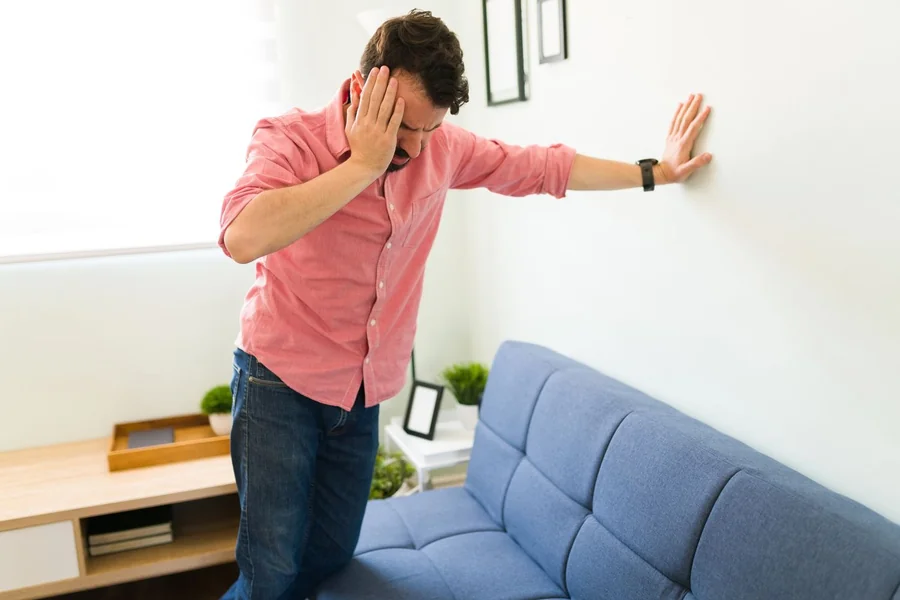
Moving from a seated comfort to an upright stance should be routine, yet for many seniors, the body rebels. Orthostatic hypotension—a sudden drop in blood pressure upon standing—can cloud vision, whirl surroundings, and invite a dangerous stumble before the first sip of coffee.
Inside a senior apartment or a family home, ordinary motions become calculated maneuvers. By tracing how this fleeting dizziness threads through meals, chores, and social pursuits, caregivers and seniors alike can shape habits that keep confidence stronger than the symptom.
Morning Vulnerability on Rising
The first test of the day arrives at dawn. After hours of restful breathing and mild dehydration, circulation runs slowly. When a senior swings both legs off the mattress, blood rushes downward and the brain momentarily starves for oxygen. Colors bloom at the edge of vision, knees soften, and the bedside table suddenly feels miles away.
Frequent morning spells encourage lingering in bed, delaying medications, hydration, and breakfast. That late start can ripple through physical therapy schedules, blood-sugar checks, and garden walks, shrinking the day before it begins.
Hidden Hazards Around the Home
Orthostatic hypotension shadows every hallway and doorway. Reaching for pantry shelves, lifting laundry, or bending to tie shoes triggers abrupt posture shifts that drain cerebral blood flow. In kitchens, a dizzy pause near a hot stove magnifies burn risk.
Bathroom trips pose peril; slick tiles and low toilets amplify any wobble. The fear of falling nudges seniors toward immobility, yet less movement weakens muscles that normally help pump blood back to the heart, worsening the problem being avoided.
Social and Emotional Consequences
Physical instability rarely stays physical. Seniors who once enjoyed afternoon bridge or church services may decline invitations, worried about collapsing in public. Each missed outing chips at social bonds and can seed isolation, anxiety, or depression. Observant loved ones sometimes over-assist, unintentionally reinforcing a narrative of fragility.
Restoring agency begins with discussion: acknowledging the emotional weight of dizzy spells, celebrating small victories, and planning outings that feel manageable, such as nearby parks with sturdy benches or community centers with attentive staff.
Practical Steps Toward Stability
Simple adjustments reclaim momentum. Drinking water before rising, pausing seated for thirty seconds, and wearing graduated compression stockings all improve venous return. Light ankle pumps during television breaks prime calf muscles. Raised armchairs, grab bars, and non-slip mats shorten the distance between sitting and standing while reducing hazards.
Pharmacists can review prescriptions for drugs that intensify drops, and physicians may suggest meals higher in salt or morning doses of fludrocortisone to stabilize pressure. When these strategies interlock, daily life regains rhythm.
Conclusion
Orthostatic hypotension may never disappear entirely, yet with thoughtful routines, supportive surroundings, and ongoing dialogue, seniors can greet each morning steadier than the last. The condition becomes a manageable footnote rather than the headline of the day, allowing friendships, hobbies, treasured daily routines, and meaningful quiet moments of joy to thrive.
