
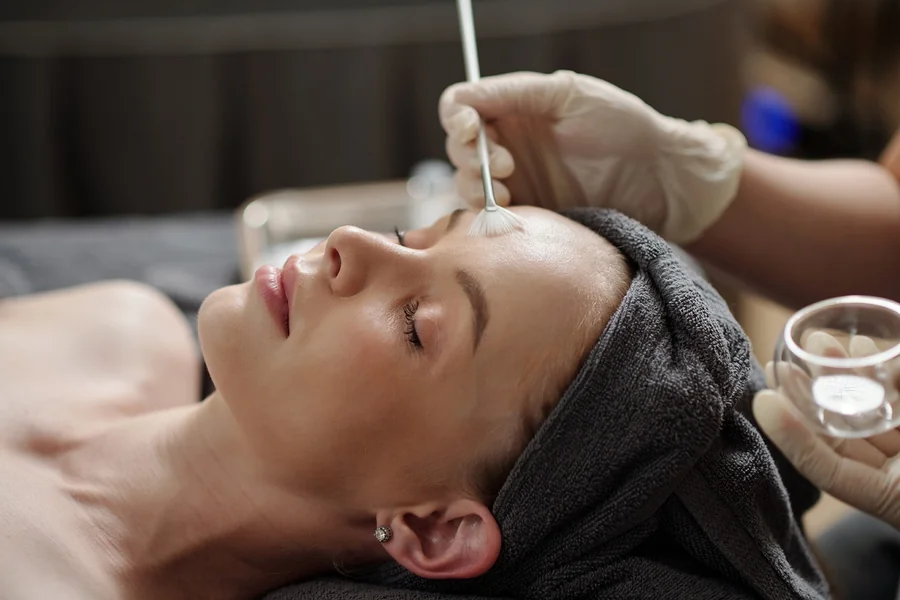
A brighter, smoother complexion often comes down to one simple factor: how well your skin sheds what it no longer needs. When dead cells linger on the surface, they can dull your glow, emphasize texture, and make discoloration look more noticeable. Glycolic peels are designed to gently and precisely accelerate that renewal process, helping skin look clearer, more even, and more refined over time.
Done correctly, glycolic peel services can support multiple goals at once. They can soften the look of fine lines, improve uneven tone, reduce the appearance of congestion, and enhance overall radiance. The best outcomes usually come from a thoughtful plan that matches peel strength to your skin type, pairs treatment with proper preparation, and follows with careful aftercare.
Understanding glycolic peels
Glycolic peels are a form of chemical exfoliation. Instead of using grit or friction to remove dead cells, they use an acid-based solution to loosen the bonds that hold old surface cells in place. This controlled exfoliation encourages new cells to rise to the surface, which is why skin often looks fresher and feels smoother after treatment.
What glycolic acid is and how it works
Glycolic acid is an alpha-hydroxy acid (AHA) commonly derived from sugar cane. Among AHAs, it has a very small molecular size. That size can allow it to move through the surface layers efficiently, which is one reason it is used in professional peels to address texture and tone concerns.
Its primary action is to dissolve the “glue” between dead skin cells in the outer layer of the skin. As those bonds weaken, the skin sheds more evenly. With repeated treatments, this can help reduce the look of roughness, improve the appearance of mild discoloration, and create a smoother canvas that reflects light better.
Glycolic acid can also support skin’s natural renewal cycle. As turnover becomes more consistent, the surface can appear more uniform. Many people notice that makeup applies more smoothly, skincare absorbs better, and the skin has a clearer, more polished look.
Why pH levels matter in exfoliation
The effectiveness of glycolic acid is closely tied to pH. In general, glycolic peel solutions are formulated at a lower pH so the acid is active enough to exfoliate. If a product’s pH is too high, the acid may be less effective and results may be subtle.
At the same time, the skin has its own natural pH, typically slightly acidic. Professional formulations aim to balance performance with safety. That is one reason peels are timed carefully and neutralized at the right moment. The goal is to achieve controlled exfoliation while supporting the skin barrier.
When pH, concentration, and timing are chosen appropriately, the peel can deliver visible results without unnecessary irritation. This is also why professional guidance matters, especially for first-time clients or people with reactive skin.
Chemical exfoliation compared with physical exfoliation
Physical exfoliation relies on friction, such as scrubs, brushes, or textured tools. While physical exfoliation can help remove surface buildup, it can also be uneven. Overuse may cause irritation, especially in sensitive or acne-prone skin, and rough particles can create micro-irritation that triggers redness.
Chemical exfoliation, including glycolic peels, works more uniformly across the skin because it does not depend on pressure or technique. It can also reach deeper into the outer layers to address concerns like uneven tone, clogged pores, and rough texture.
For many people, the advantage is control. A professional peel is applied in a measured way, monitored, and neutralized. That helps reduce the risk of over-exfoliating certain areas, which is a common issue with manual scrubbing.
Benefits of glycolic peel services
Glycolic peel services are often chosen because they can target several skin concerns at once. The improvements may be gradual, but they tend to build with consistency, especially when treatments are paired with good home care.
Smoother texture and more even tone
A consistent build-up of dead surface cells can make skin feel rough and look uneven. By clearing that layer more effectively, glycolic peels can smooth the surface and help the complexion look more uniform.
People often seek glycolic peels for dullness, visible texture, and mild uneven pigmentation. Over time, the skin can appear brighter because light reflects more evenly from a smoother surface. This can be especially helpful if your skin looks tired or lacks clarity, even when you are otherwise healthy and well-rested.
Support for fine lines and early aging concerns
Fine lines are often more noticeable when skin is dehydrated, textured, or unevenly built up. By improving surface smoothness and encouraging renewal, glycolic peels can soften the appearance of early fine lines, particularly around areas where texture tends to develop.
While no peel replaces healthy lifestyle habits, daily sun protection, and a well-rounded skincare routine, glycolic peels can complement those efforts by refining the surface and supporting a fresher look.
Help for congestion and acne-prone skin
Glycolic acid can be beneficial for oily and congested skin because it supports exfoliation inside pores and reduces the buildup that contributes to blackheads and clogged texture. For some people, a series of peels can make pores look less noticeable simply because congestion decreases and the surface looks smoother.
For active acne, the best plan depends on your skin’s sensitivity and the type of breakouts you experience. In some cases, a professional may recommend pairing glycolic peels with other ingredients or alternating treatments so you get results without triggering irritation.
Your first glycolic peel experience
A first peel is usually straightforward, but it helps to know what to expect. Preparation and aftercare are just as important as the peel itself, because they influence comfort, healing, and results.
Preparing your skin before treatment
Pre-peel preparation often starts with a consultation. A professional will look at your skin type, any current irritation, recent product use, and your goals. Based on that, they may recommend pausing certain ingredients before your appointment.
Common pre-peel guidelines include avoiding:
- Retinoids and prescription acne products for several days to a week, depending on strength
- Harsh exfoliants or strong acids
- Waxing or aggressive hair removal on the treatment area
- Excess sun exposure and tanning
Hydration is also important. A well-supported skin barrier tends to tolerate exfoliation better. Many professionals recommend gentle moisturizers and consistent sunscreen use leading up to the appointment.
If you have a history of cold sores and are treating the area around the mouth, mention it during your consultation. In some cases, preventative steps may be recommended.
What happens during the peel
A professional glycolic peel appointment usually begins with cleansing and prepping the skin. Oils, makeup, and residue are removed so the solution applies evenly. The peel is then applied and left on for a controlled amount of time.
During application, it is common to feel:
- Tingling
- Mild stinging
- Warmth
These sensations vary depending on the peel strength and your skin’s sensitivity. The professional will monitor your skin’s response and neutralize the peel at the appropriate time to stop the exfoliation process.
After neutralization, soothing products are often applied. This may include hydrating serums, barrier-support moisturizers, or calming ingredients selected for your skin type.
Aftercare that protects your results
Aftercare is where many people either protect their results or accidentally compromise them. Expect that your skin may look a little pink and feel slightly tight for a short period. Mild flaking can happen in the days that follow, depending on peel strength and your skin’s baseline condition.
Key aftercare priorities include:
Gentle cleansing
Use a mild, non-stripping cleanser. Avoid scrubs or exfoliating brushes.
Moisture and barrier support
Hydrating serums and a simple moisturizer can reduce discomfort and support healing.
Strict sun protection
Sunscreen is essential after a peel. Freshly exfoliated skin is more UV-sensitive, and unprotected sun exposure can worsen pigmentation. Reapply sunscreen if you are outdoors.
Pausing strong actives
Avoid retinoids, strong acids, and harsh acne treatments for the time period recommended by your provider. Restarting too soon can trigger irritation.
Hands off peeling skin
If flaking occurs, do not pick at it. Let it shed naturally to reduce the risk of irritation and uneven results.
Tailoring glycolic peels to your skin type and goals
Not every peel should feel the same. The best glycolic peel services are customized. Concentration, timing, and frequency should align with your skin’s tolerance and the concerns you want to improve.
Choosing the right peel for sensitive, dry, or oily skin
Sensitive skin often does best with lower concentrations and shorter contact times, especially at first. Professionals may also prioritize calming ingredients before and after the peel and recommend longer spacing between treatments.
Dry skin can benefit from gentle exfoliation, but it needs strong hydration support. The focus is usually on improving texture while protecting the barrier. Post-peel hydration is especially important, and treatment frequency may be adjusted to avoid over-drying.
Oily or acne-prone skin may tolerate stronger peels and may benefit from a treatment plan that addresses both surface texture and pore congestion. In some cases, professionals may recommend alternating glycolic peels with other acne-focused treatments based on how your skin responds.
The goal is always to improve the skin without pushing it into irritation. A peel should feel purposeful and controlled, not harsh.
Combining glycolic peels with other treatments
Glycolic peels can be part of a broader plan, but pairing treatments should be done carefully. When combinations are timed properly, results can be more noticeable.
Examples of combinations include:
- Pairing peels with hydrating treatments to support glow and comfort
- Using peels alongside antioxidant-based skincare to support brightness
- Planning peels around procedures like microneedling or laser in a staged approach, when appropriate
The key is spacing. Skin needs time to recover between intense treatments. A professional plan helps ensure that treatments support each other instead of competing.
How skin conditions influence peel selection
Certain conditions require extra caution. People managing rosacea, eczema, psoriasis, or frequent irritation should be assessed carefully before choosing a peel strength. A milder approach may be safer, and in some cases peels may not be recommended until the skin is more stable.
For hyperpigmentation concerns, glycolic peels can be helpful, but sun protection and consistent aftercare become even more important. Without that, skin may become more reactive and discoloration can worsen.
If you are pregnant, breastfeeding, or using prescription skincare, bring it up during your consultation. The safest plan is one that considers the full picture.
Clearing up common myths about glycolic peels
Misinformation can make peels sound either terrifying or miraculous. In reality, glycolic peels are effective when used responsibly, and they work best as part of a long-term approach.
Myth: chemical peels always cause heavy downtime
Many people assume chemical peels mean days of visible shedding and intense redness. Glycolic peels, especially lighter professional peels, often have minimal downtime. Some people experience mild redness or light flaking, while others have very little visible peeling.
Downtime depends on peel strength, timing, and skin sensitivity. A professional can usually guide you toward an option that fits your schedule and comfort level.
Myth: glycolic peels are only for aging skin
Glycolic peels can help with fine lines, but they are also used for dullness, uneven tone, and texture concerns at many ages. Younger clients may use them for congestion and post-acne marks, while others choose them for brightness and smoother texture.
The peel is not age-specific. It is goal-specific.
Myth: stronger is always better
A peel that is too strong for your skin can cause irritation and setbacks. The best results usually come from consistency and good timing, not from pushing intensity.
A series of well-chosen treatments, combined with supportive skincare and sun protection, often delivers better long-term improvement than a single aggressive treatment.
Why professional guidance matters
Glycolic acid is powerful. Used correctly, it can refine skin with impressive consistency. Used carelessly, it can disrupt the skin barrier and trigger sensitivity. This is why professional assessment and monitoring are such an important part of glycolic peel services.
Personalized recommendations and safer outcomes
A licensed professional can evaluate your skin’s baseline condition, identify risk factors, and recommend a peel strength that makes sense for you. They can also guide you on what to stop using before a peel and how to adjust your routine afterward.
This matters most for people with:
- Sensitive or reactive skin
- Hyperpigmentation concerns
- Active acne treatment regimens
- A history of irritation with exfoliants
With the right plan, peels can be both effective and comfortable.
Building long-term results through a treatment plan
Most people see some immediate glow after a peel, but the best improvements build over time. A professional can recommend a schedule that supports results while giving your skin time to recover between sessions.
They can also adjust the plan as your skin changes. As tolerance improves, treatment may be refined. If sensitivity develops, timing and strength can be reduced. That flexibility is a major part of achieving visible results without unnecessary irritation.
A confident path to brighter, smoother skin
Glycolic peels are a proven way to improve texture, clarity, and radiance through controlled chemical exfoliation. The science is straightforward: loosen the bonds of dead surface cells, encourage healthy turnover, and support a smoother, more even complexion.
The best outcomes come from choosing the right strength for your skin, preparing properly, and following careful aftercare. When paired with professional guidance and consistent sun protection, glycolic peel services can become a reliable part of a results-driven skincare routine, helping your skin look refreshed, polished, and genuinely healthy.
