
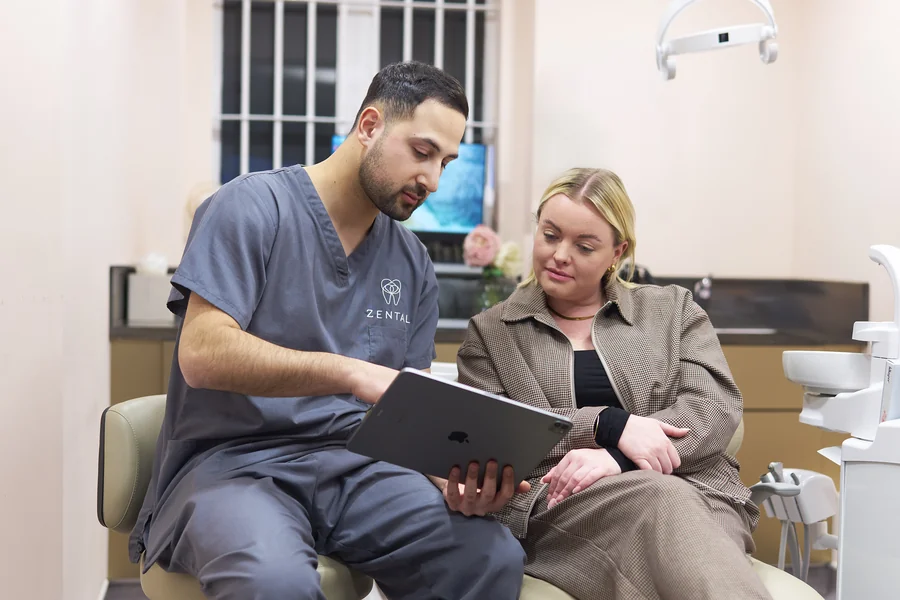
You care about your smile. You want teeth that look clean, even, and natural. You also want care that fits into your routine. Many people think they need a special clinic for cosmetic work. In truth, most general practices now offer simple treatments that change how you feel about your teeth. A dentist in Thomasville can often whiten, straighten, smooth, and repair your smile during regular visits. These treatments are quick, safe, and tailored to your mouth. They can fix stains, chips, gaps, and worn edges. They can also support better daily care, because you feel proud of your teeth. This blog walks through six common cosmetic treatments you can receive from your general dentist. You will see what each one does, how it helps, and what to expect during a visit. You can then talk with your dentist and choose what fits your needs.
1. Professional teeth whitening
Whitening is the most common cosmetic treatment in general practices. Coffee, tea, tobacco, and age darken teeth over time. That change can crush your confidence in social moments.
Your dentist can offer two main types of whitening.
- In-office whitening with a stronger gel and light
- Take home trays with custom fit and steady results
The American Dental Association explains how whitening works and why dentist-guided care matters in its teeth whitening overview. You can expect your dentist to check your gums and enamel first. You may feel brief zaps of sensitivity during treatment. Your dentist can ease this with gel or changes in timing.
Whitening works best on yellow stains. It does not change crowns or fillings. You still need daily brushing, flossing, and checkups.
2. Tooth bonding for chips and gaps
Bonding uses tooth colored resin to fix small flaws. You may have a chipped front tooth from a fall. You may have a gap that catches your eye in every photo. Bonding can cover or fill those spots in one visit.
Your dentist will first match the shade of the resin to your tooth. The tooth surface then gets a light roughening. Next, the dentist shapes the resin and cures it with a bright light. You leave the office with a tooth that looks whole again.
Bonding works best for
- Small chips on front teeth
- Minor cracks
- Short teeth that need length for a more even line
- Small gaps between teeth
The material can stain over time. You help protect it when you avoid tobacco, limit dark drinks, and keep up with cleanings.
3. Porcelain veneers for a full smile change
Veneers are thin shells that cover the front of teeth. They can change color, shape, and length. They can also hide deep stains that do not respond to whitening.
Your dentist will first plan your new smile with you. You may see photos or mock-ups. Next, small amounts of enamel come off the front of each tooth. Then your dentist takes molds or scans and sends them to a lab. You wear temporary covers while the lab builds the final veneers.
At the second visit, your dentist bonds the veneers to your teeth. The result looks like natural enamel that never had stains or chips. Veneers last many years with daily care and regular exams.
You may not need veneers on every tooth. Many people choose them only for the top front teeth that show when they smile.
4. Tooth colored fillings and cosmetic contouring
Old silver fillings can make you hide your smile. Many general dentists now use tooth colored composite fillings for new cavities. They can also replace some old metal fillings when it is safe for the tooth.
Composite bonds to the tooth and blends with the natural shade. It lets you open your mouth without the flash of metal.
Cosmetic contouring is a small change with real impact. Your dentist uses a fine tool to smooth rough edges, small points, or minor overlaps. Then the tooth gets a polish.
Contour work removes only a small amount of enamel. It works best when you want a gentle change to a few teeth rather than a full makeover.
5. Clear aligners for straighter teeth
Many general practices now offer clear aligners. These thin plastic trays move teeth in small steps. You change trays every one or two weeks as your teeth shift.
Aligners can help with
- Crowded front teeth
- Small gaps
- Mild bite problems
You wear the trays most of the day and remove them only for eating and brushing. You may speak with a slight lisp for a short time while you adjust. Most people adapt fast.
The National Institutes of Health shares research on how straighter teeth can support better cleaning and lower decay risk in its orthodontic care review. You also gain a smile that feels aligned with how you see yourself.
6. Crowns to restore worn or broken teeth
Crowns cover the whole tooth above the gum. They protect weak teeth and restore shape. They also improve how a tooth looks when it has deep cracks, large fillings, or heavy wear.
Your dentist will first shape the tooth. Next, you receive a temporary crown. A lab then builds a custom crown that matches the color and shape of your other teeth. At the next visit, your dentist cements the final crown in place.
Crowns can be porcelain fused to metal or full ceramic. Your dentist will guide you based on your strength needs and your bite. With good care, crowns can last many years.
Quick comparison of common cosmetic treatments
| Treatment | Main purpose | Best for | Typical visits | Reversible
|
|---|---|---|---|---|
| Teeth whitening | Lighten tooth color | Surface and age stains | 1 to 2 | Yes |
| Bonding | Repair small flaws | Chips, small gaps | 1 | Partly |
| Veneers | Change shape and color | Deep stains, uneven teeth | 2 to 3 | No |
| Tooth colored fillings | Restore decayed teeth | Cavities, old metal fillings | 1 | No |
| Clear aligners | Straighten teeth | Crowding, small gaps | Many over months | No |
| Crowns | Protect and reshape tooth | Broken or worn teeth | 2 | No |
How to choose the right cosmetic treatment
You do not need to know which treatment fits you before you walk in. You only need to be honest about what bothers you. You might say
- My teeth look yellow in photos
- This chip cuts my lip
- My front teeth cross and trap food
Your dentist will check your gums, enamel, bite, and past work. You can then talk through three key points. What result do you want? How much time can you give? How long do you want the change to last?
Cosmetic care works best on a healthy mouth. You may need cleaning or gum treatment first. That step protects your investment and your long-term health.
Your smile carries your history and your hope. Thoughtful cosmetic care can help those match.
