
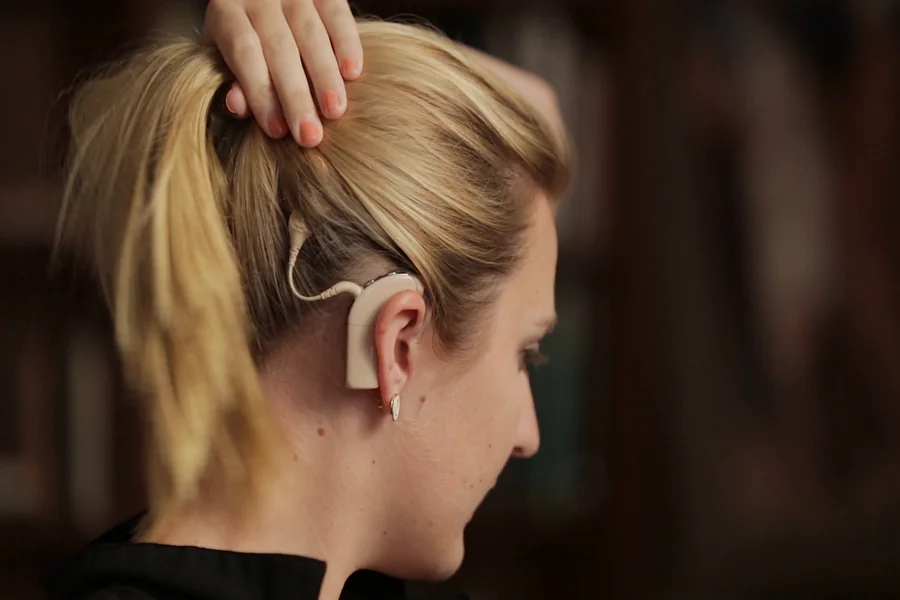
Older adults often notice that hearing loss does more than make conversations harder. It can affect confidence, safety, and connection with family and friends. In senior living communities, it is common for seniors to look for solutions that help them stay involved in activities, appointments, and everyday chats without constantly asking others to repeat themselves.
For some seniors, hearing aids work well, but when hearing loss is severe or hearing aids no longer provide enough clarity, cochlear implants may become an option worth discussing with a hearing specialist.
How Cochlear Implants Work and How They Differ From Hearing Aids
Cochlear implants are not the same as hearing aids, and that difference matters for seniors deciding what to try next. Hearing aids amplify sound, meaning they make sounds louder so the ear can detect them more easily. A cochlear implant works in a different way by bypassing damaged parts of the inner ear and sending signals directly to the hearing nerve through electrical stimulation. This approach can help seniors who struggle to understand speech even when sounds are amplified.
Many seniors describe the main issue as clarity, not volume, especially in group settings or when there is background noise. A cochlear implant can improve access to speech sounds, but it also requires the brain to adjust to a new type of sound signal, which is why realistic expectations and patience are important for seniors considering this technology.
Which Seniors May Be Good Candidates for Cochlear Implants
Not every older adult with hearing loss is a good candidate, and a thorough evaluation is a key part of the decision. Seniors are typically considered when hearing loss is moderate to profound, and when properly fitted hearing aids are not providing enough benefit for understanding speech. An audiologist usually performs detailed hearing tests, and a medical specialist evaluates ear health and overall suitability. Age alone is not usually the deciding factor, since many seniors remain strong candidates based on health, communication needs, and motivation to participate in rehabilitation.
Seniors who value social interaction, want to follow conversations more easily, and feel limited by hearing loss may be especially motivated to explore implants. At the same time, seniors with certain medical risks, untreated ear conditions, or limited ability to participate in follow-up care may need alternative solutions. The best choice depends on individual hearing goals and the results of professional testing.
Benefits Seniors Often Notice After Implantation
For many seniors, the biggest potential benefit is improved understanding of speech, particularly in one-on-one conversations and familiar environments. Cochlear implants may also help seniors feel safer and more independent by improving awareness of important sounds like alarms, doorbells, and approaching traffic. Better hearing access can reduce social withdrawal, which is a common concern among seniors who find group conversations exhausting.
Some seniors report that they can follow television and phone calls more comfortably, especially with assistive accessories that pair with the implant. However, outcomes vary, and the improvement is usually gradual rather than instant. Seniors often do best when they view the implant as a long-term communication tool that becomes more helpful with steady practice, support from family, and guidance from hearing professionals.
Risks, Recovery, and the Importance of Rehabilitation for Seniors
A cochlear implant involves a surgical procedure, so seniors should understand both the benefits and the risks before moving forward. As with any surgery, there are potential complications, and seniors with certain health conditions may need extra medical clearance. Recovery time is often manageable, but the process does not end after surgery because the implant must be activated and programmed, and those settings may need adjustment over time. Rehabilitation is the part that many seniors underestimate, yet it is essential for success.
The brain needs training to interpret the new signals, and seniors typically work with audiologists and may use listening exercises to strengthen speech understanding. Consistency matters, and seniors who commit to follow-up appointments and practice often experience the greatest improvements. Support from caregivers, family, or close friends can also help seniors stay encouraged during the adjustment period.
Conclusion
Cochlear implants can be a good option for some seniors with hearing loss, especially when hearing aids no longer provide enough speech clarity for everyday life. The best results usually come from careful candidacy testing, realistic expectations, and a strong commitment to rehabilitation.
For seniors who want to stay socially connected and feel more confident in daily communication, a conversation with an audiologist and implant specialist can be a practical next step.
