
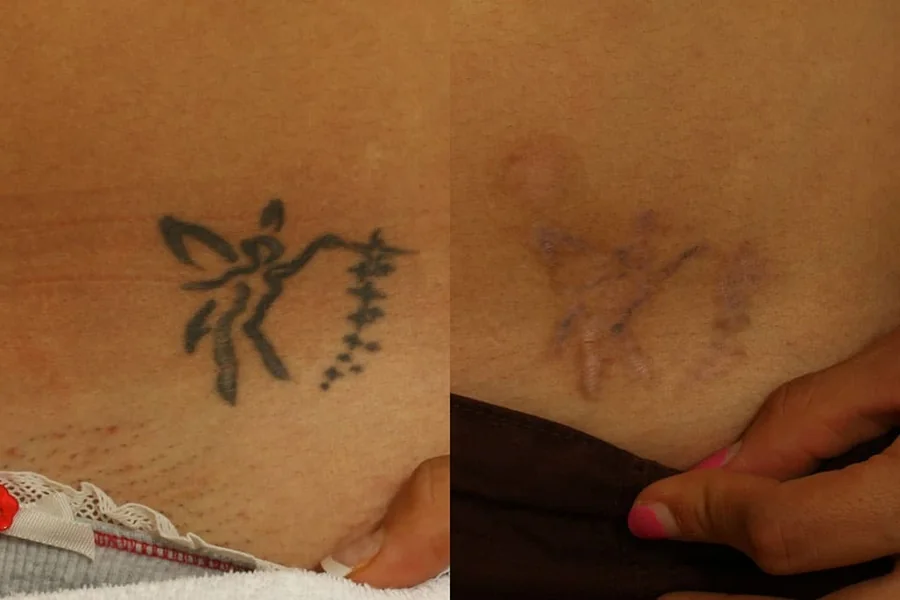
In today’s society, tattoos have become increasingly popular as a form of self-expression and art. However, there are times when people may change their minds about a tattoo they once loved. Whether it’s due to personal growth, career changes, or simply a shift in taste, the desire to remove a tattoo is not uncommon. This is where laser tattoo removal comes in – a safe and effective way to erase unwanted ink from the skin.
How Laser Tattoo Removal Works
Laser tattoo removal is a non-invasive procedure that uses high-intensity laser light to break down the tattoo ink particles in the skin. The laser emits short pulses of light that penetrate the skin and are absorbed by the tattoo ink. The heat from the laser causes the ink particles to shatter into tiny fragments, which are then naturally absorbed and eliminated by the body’s immune system.
Types of Lasers Used for Tattoo Removal
There are several types of lasers that can be used for tattoo removal, each with its own specific wavelength and energy level. The most common types of lasers used in tattoo removal are Q-switched lasers, which include the Nd:YAG, Ruby, and Alexandrite lasers. These lasers are highly effective at targeting and breaking down specific colors of tattoo ink.
Factors That Affect Tattoo Removal
The success of laser tattoo removal depends on several factors, including the size, location, and color of the tattoo, as well as the individual’s skin type and immune system. Tattoos with darker pigments, such as black and blue, are typically easier to remove than those with lighter colors, such as yellow and green. Additionally, tattoos located on areas with less blood flow, such as the hands and feet, may require more treatment sessions than those on areas with better circulation.
What to Expect During a Tattoo Removal Session
During a laser tattoo removal session, the treatment area will be cleaned and a topical anesthetic may be applied to minimize discomfort. The laser technician will then use a handheld device to deliver laser pulses to the tattoo, targeting the ink particles. The sensation of the laser pulses has been described as similar to a rubber band snapping against the skin.
After the treatment, the area may be slightly red, swollen, and tender, similar to a sunburn. These side effects typically subside within a few hours to a few days. It is important to follow proper aftercare instructions, such as keeping the area clean and moisturized, to promote healing and prevent infection.
The Importance of Choosing a Reputable Provider
When considering laser tattoo removal, it is crucial to choose a reputable and experienced provider. Leading tattoo removal in Westminster, for example, is performed by skilled professionals who use state-of-the-art technology and follow strict safety protocols. A qualified provider will assess your individual needs and develop a customized treatment plan to achieve the best possible results.
How Many Sessions Are Required for Tattoo Removal?
The number of laser tattoo removal sessions required varies depending on the factors mentioned earlier, such as tattoo size, color, and location. On average, most tattoos require between 6 to 10 treatment sessions, spaced 6 to 8 weeks apart to allow the body time to heal and eliminate the shattered ink particles. However, some tattoos may require more or fewer sessions depending on their specific characteristics.
Conclusion
Laser tattoo removal is a safe and effective way to eliminate unwanted tattoos and restore the skin to its natural appearance. By understanding how the process works, what to expect during treatment, and the importance of choosing a reputable provider, individuals can make informed decisions about their tattoo removal journey. With advances in laser technology and the expertise of qualified professionals, achieving the desired results is more attainable than ever before.
