
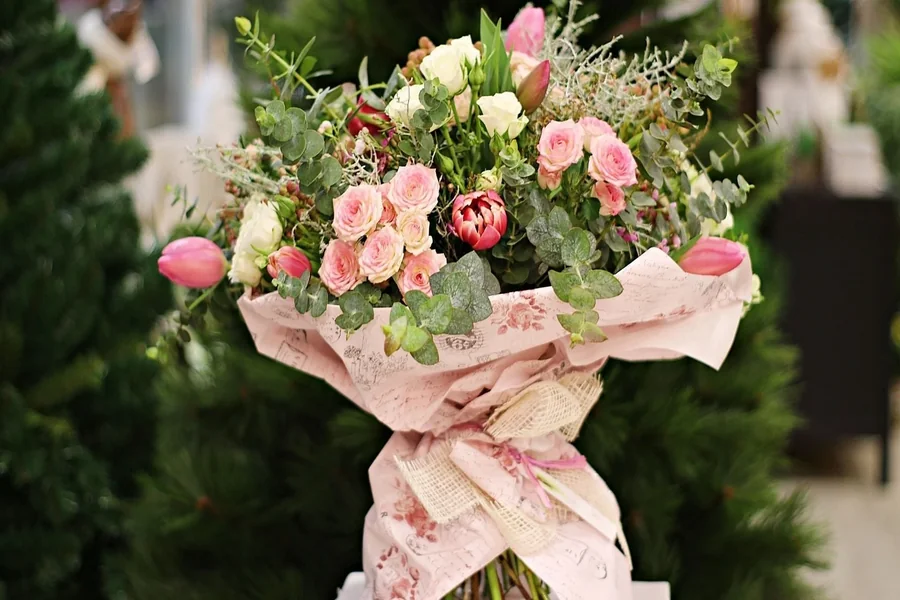
The gift of flowers is a weirdly high-stakes game. You walk into a shop or browse online, and suddenly you’re expected to be a botanist, a poet, and a mind reader all at once. Most people just pick whatever looks “nice” or what’s on sale, but there’s a subtext to every stem that most of us completely ignore.
Historically, this wasn’t just a hobby; it was a necessity. In the Victorian era, “Floriography” was a legitimate social currency. If you couldn’t say something out loud because of strict social codes, you sent a specific bloom to do the talking for you. We might not follow those rigid rules anymore, but the subconscious associations remain. What you choose to send—or keep on your own dining table—actually says a lot about where your head is at.
The Subtle Power of Texture
We usually talk about colour, but texture is the first thing people actually feel when they receive a bouquet. If you’re gravitating toward tight, structured arrangements with lots of symmetry, you’re likely someone who values order and clarity. There’s a certain “no-nonsense” elegance to a dense cluster of roses or a perfectly lined-up row of tulips. It feels intentional.
On the flip side, if you prefer the “just picked from a meadow” look—think wispy Queen Anne’s Lace, eucalyptus branches sticking out at odd angles, and varied heights—you’re probably leaning into a more expressive, perhaps even slightly chaotic, creative energy. It’s less about perfection and more about the vibe. It shows a preference for organic beauty over manufactured precision.
Why We Still Default to Red
Red roses are the ultimate floral cliché. We know it, the recipient knows it, and yet, they remain the top seller globally. Choosing them is a safe bet, sure, but it also signals a respect for tradition. If you’re the person sending red roses, you aren’t trying to reinvent the wheel. You’re leaning on a centuries-old symbol because it works.
But here’s the thing: subverting that tradition says even more. Swapping red for a deep burgundy or a bright coral shows you’ve actually put thought into the specific shade, rather than just grabbing the first bucket you saw. According to flower meanings, even slight shifts in hue can change the entire message from “I love you” to “I’m grateful for you.”
The Personality of the “Loner” Flower
Some people hate mixed bouquets. They find them messy or distracting. If you’re someone who prefers a single variety—say, a massive bunch of just Sunflowers or nothing but white Lilies—you likely have a “singular focus” personality. You know what you like, and you don’t feel the need to dilute it with filler.
There’s a confidence in simplicity. It’s the floral equivalent of a well-tailored black suit. It’s striking because it doesn’t try too hard.
Fragrance: The Forgotten Factor
We spend so much time befitsnatic co looking at flowers that we forget they have to live in a room. If you choose highly scented flowers like Oriental Lilies or Hyacinths, you’re someone who wants to make an impact. You aren’t just giving a visual gift; you’re changing the atmosphere of someone’s entire home. It’s a bold move.
However, if you opt for unscented varieties like Dahlias or Ranunculus, you’re likely more considerate of the environment and the people in it (or maybe you just have allergies). It’s a quieter, more subtle way of showing you care without taking over the room’s air supply.
Sourcing Matters More Than You Think
In an age where you can buy flowers at a gas station, where you get them matters. Choosing a local specialist shows a level of discernment. It’s the difference between a “to-do list” gift and a “thoughtful gesture” gift. If you’re looking for something that feels authentic and handled with actual expertise, you might find that this florist offers that level of craftsmanship that a supermarket aisle just can’t replicate.
There is a massive difference between a bouquet that was thrown together in a factory and one designed by someone who understands balance, color theory, and how to keep a stem alive for more than two days. If you’re interested in how professional floral design works, the American Institute of Floral Designers provides some great insight into the technical skill behind those “effortless” looks.
Final Thoughts (But Not a Summary)
The next time you’re picking out a bunch of flowers, don’t overthink it to the point of paralysis, but do take a second to look at what you’ve grabbed. Are you playing it safe? Are you trying to be avant-garde? Are you choosing something because it’s easy, or because it actually represents the person you’re giving it to?
Flowers are temporary, but the message they send—intentional or not—usually sticks around a lot longer than the petals do.
