

Haircare has never stood still. For decades, glossy bottles promised instant shine and volume, yet many formulas were filled with sulfates, parabens, and silicones. These ingredients delivered results in the short term but often left hair weak, dry, and dependent on constant product use.
Today, the beauty industry is experiencing a major shift. Consumers no longer see haircare as just surface-level—they want solutions that nourish deeply while aligning with their health and environmental values. This awakening has set the stage for plant-based products to dominate the future of haircare.
Why Chemical Formulas Are Losing Ground

In the past, a few people questioned what was inside their shampoo. A rich lather and a pleasant fragrance were enough to satisfy most buyers. That mindset has changed dramatically.
- Sulfates are now criticized for stripping away essential oils and leaving the scalp irritated.
- Parabens raise long-term safety concerns, leading many to avoid them altogether.
- Artificial fragrances and dyes are linked to allergies and sensitivities.
With so much information available, consumers are more informed than ever. They research labels, question ingredients, and seek brands that are transparent. This is why plant-based options are winning trust—they replace synthetic chemicals with botanicals that deliver results without the risks.
The Power of Plant-Based Ingredients
Nature already provides the building blocks for healthy hair. Aloe vera soothes inflammation, argan oil delivers deep moisture, and coconut oil strengthens strands from root to tip. These are ingredients with centuries of proven use, now enhanced by modern formulations.
Global brands like Herbal Essences and OGX highlight coconut, bamboo, and avocado extracts in their popular lines. Garnier has launched entire collections around naturally derived ingredients.
But the difference today is not just in marketing—it’s in performance. Consumers are discovering that these natural extracts can repair, hydrate, and balance the scalp just as effectively, if not better, than synthetic formulas.
Plant-based doesn’t mean less powerful. It means delivering results while respecting the scalp, hair fibers, and overall health of the user. That’s why this movement continues to gain traction worldwide, a trend also reflected in discussions on driftwoodboatsllc.
Sustainability Beyond the Bottle
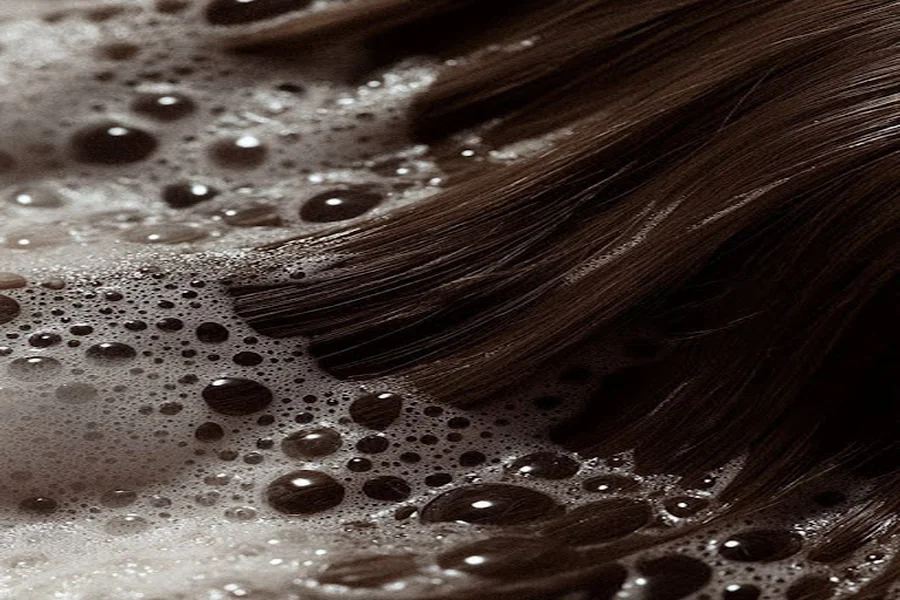
Haircare is no longer judged only by what happens in the shower. Sustainability has become just as important as performance.
- Eco-friendly packaging is now an expectation, not a luxury. Refillable bottles and biodegradable materials are becoming industry standards.
- Water-conscious formulas like solid shampoo bars and concentrated liquids help reduce waste.
- Responsible sourcing ensures that ingredients are harvested in ways that protect the environment.
Brands such as O’right have pioneered biodegradable packaging, while large corporations are gradually adopting greener practices. For consumers, choosing a shampoo is no longer just about how it makes their hair look—it’s about how it impacts the planet.
Ethical Beauty and the Rise of Vegan Standards
Ethical beauty is at the heart of the plant-based revolution. More buyers want to know that their products are cruelty-free and vegan. Animal testing is increasingly viewed as unacceptable, and plant-derived alternatives are setting new expectations.
Even major corporations like L’Oréal and Unilever are expanding vegan-friendly lines to meet demand. This proves the shift isn’t temporary; it’s a permanent change in how the industry operates.
Choosing plant-based shampoos means aligning beauty routines with compassion, responsibility, and integrity.
Innovation Is Driving Growth
The most exciting part of this movement is how innovative it has become. Plant-based doesn’t mean “old-fashioned”—it’s where science and nature meet.
- Biotech advancements are creating lab-enhanced natural proteins to repair damaged hair.
- AI-driven personalization helps tailor formulas to individual scalp and hair needs.
- Salons worldwide are embracing vegan-friendly treatments to meet client expectations.
This means that the next generation of shampoos will not only be natural but also personalized, effective, and environmentally conscious. The combination of herbal wisdom and modern science is shaping the future of haircare.
Spotlight on Purity: Professional Herbal Care
Among the brands shaping this new direction, Purity stands out as a professional herbal cosmetic line dedicated entirely to plant-based solutions.
Unlike companies that introduce natural collections as a side offering, Purity has built its identity around creating shampoos and treatments free from sulfates, parabens, and harsh chemicals.
Purity’s product range is designed to tackle real concerns: anti-dandruff shampoos that combine zinc and menthol for scalp relief, anti-hair fall formulas enriched with biotin and keratin, and growth shampoos with strawberry extract to strengthen and revitalize.
Each formula reflects a balance of nature and professionalism, giving consumers both effectiveness and safety.
What makes Purity unique is its focus on long-term hair health. Rather than masking issues, its shampoos target the root causes of dandruff, oiliness, or breakage. This professional yet natural approach positions Purity alongside global leaders while maintaining its distinct herbal identity.
How Purity Compares with Other Brands
When comparing Purity to larger names like L’Oréal, Garnier, or OGX, a few differences become clear. Multinational brands often offer wide product ranges, including both chemical and natural options.
Their plant-based lines are often marketed to meet trends rather than form the company’s core philosophy.
Purity, however, is entirely devoted to natural formulations. This gives it an authenticity that resonates with consumers seeking truly chemical-free care.
While Garnier might launch a “botanical shampoo” and L’Oréal may highlight “vegan formulas,” Purity builds every product with the same commitment to clean, plant-derived ingredients.
This specialization makes Purity particularly appealing to consumers who want consistency and trust—knowing that every product in the range is aligned with herbal care principles, an approach often reinforced in brand positioning insights shared by Ultimate Branding Course.
What This Shift Means for Consumers
The move toward plant-based haircare is not just about trends. For everyday consumers, it offers real benefits:
- Healthier hair and scalp – gentle cleansing and nourishment without harsh chemicals.
- Peace of mind – using products that align with ethical and sustainable values.
- Lasting results – hair that looks vibrant, feels strong, and remains resilient.
Whether choosing from global players like Herbal Essences or professional herbal brands like Purity, consumers now have access to products that care for both their hair and their values.
Conclusion: A Greener Future Ahead
The haircare industry is undergoing one of its biggest transformations. Plant-based shampoos are no longer an alternative—they are becoming the standard. This change reflects not only a desire for healthier hair but also for a cleaner planet and a more ethical beauty culture.
From the eco-innovations of O’right to the professional herbal expertise of Purity, the movement toward natural haircare shows no signs of slowing down. The future of haircare is green, sustainable, and powered by plants—and consumers are leading the way.
