
Before you even touch a scaffold, take a moment to plan out where and how it will be set up. Think about the surface you’re working on. Is it level and firm enough to support the weight? Uneven ground can cause serious hazards, so always use base plates or adjustable legs to keep things steady. Never skip this step, because once the scaffold is loaded with workers and materials, small mistakes can turn into big risks.
Choose Quality Materials Every Time
Your scaffold is only as strong as the pieces that make it. Check every plank, frame, and brace for signs of damage or wear before starting. If something looks cracked or bent, don’t ignore it—replace it. Many professionals invest in reliable gear from trusted suppliers, so if you’re looking for quality scaffolding options in Brisbane, make sure they meet Australian safety standards. This way, you’re not just protecting yourself, but everyone working around you.
Don’t Skip Guardrails and Toeboards
Falls from scaffolds can cause serious injuries, and guardrails are your first line of defense. Toeboards keep tools from slipping off the edge, which can prevent accidents for anyone below. It might feel like an extra step, but setting these up correctly can save lives. If you’re unsure about how to do this properly, looking into how to set up scaffolding safely is a great starting point. Safety standards exist for a reason, so stick to them every time.
Know Your Load Limits
Every scaffold has a specific load capacity, and ignoring it can lead to disaster. Don’t just pile on heavy materials without checking the rating. Spread the weight evenly and avoid adding unnecessary items. Overloading is one of the most common causes of collapses, so make this a rule you never break. If you have multiple workers on the scaffold, coordinate who carries what and when, so you’re not stacking too much in one spot.
Use Proper Access Points
Climbing up the frame might seem quicker, but it’s also one of the fastest ways to get hurt. Always use ladders or designated access points that are part of the scaffold design. Make sure these are secure and stable before anyone starts climbing. Shortcuts in access are where many accidents begin, so always take the safer route.
Secure the Scaffold Against Movement
Scaffolds can shift, especially if they’re not tied to a solid structure. Use ties, braces, or outriggers to keep everything in place. This is even more important if you’re working in windy conditions or at greater heights. Movement during use can throw off balance and lead to dangerous situations, so double-check all connections before getting to work.
Stay Alert to Weather Conditions
The weather can change fast, and scaffolds don’t mix well with high winds or heavy rain. Wet planks become slippery, and strong gusts can destabilize the whole setup. If the conditions start to look unsafe, it’s better to postpone the job than risk an accident. Keeping an eye on the forecast can save you from unnecessary hazards.
Always Wear Protective Gear
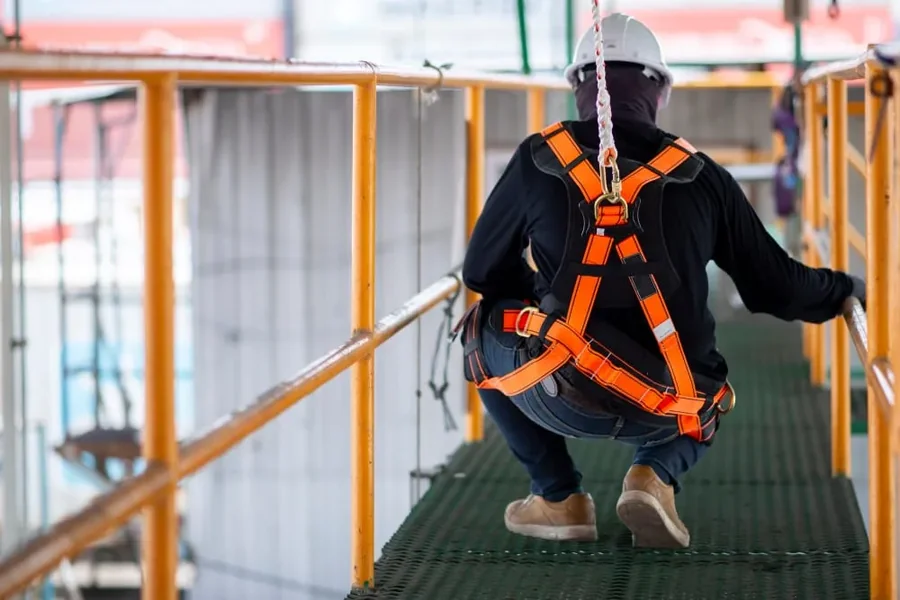
Even with all safety measures in place, personal protection is still crucial. Hard hats, non-slip boots, and harnesses for higher setups should always be part of your gear. It’s easy to overlook small items like gloves, but they make a difference when handling metal parts and tools at height.
Inspect Regularly During Use
A scaffold that was safe in the morning can develop issues by midday. Check for loose connections, shifted planks, or signs of stress as the day goes on. Quick inspections between breaks can catch problems early and prevent accidents before they happen.
Safe scaffolding isn’t just about following rules—it’s about building habits that keep everyone out of harm’s way. With the right setup, reliable materials, and constant awareness, you can work confidently and get the job done without unnecessary risks.
